The Formative Years: Guus Hoes's Theatrical Genesis
Born into a family deeply embedded in the Dutch performing arts, Guus Hoes (full name Augustinus Petrus Gerardus Henricus Hoes) carved a significant, albeit tragically short, path in theater, film, television, and particularly radio drama. His journey began on March 22, 1945, in Tilburg, Noord-Brabant, Netherlands, a region known for its rich cultural tapestry. Guus was not just an actor; he was part of an acting dynasty, a testament to inherited talent and passion for the stage.
A Legacy Born: The Hoes Acting Dynasty
The Hoes surname resonates strongly within Dutch artistic circles. Guus was one of several brothers who pursued acting, including Hans, Paul, and Pieter Hoes. This familial immersion in performance likely provided an unparalleled early education, exposing him to the nuances of character, storytelling, and stage presence from a young age. Growing up in such an environment would have instilled a profound understanding of the actor's life, its demands, and its profound rewards. Furthermore, Guus Hoes would later become the father of actor Geert Hoes, extending the family's theatrical lineage into a new generation. His distant relations also included actress Isa Hoes and politician Onno Hoes, showcasing the family's broader influence and talent beyond just the immediate acting sphere. This rich background undoubtedly shaped his artistic sensibilities and provided a unique foundation for his illustrious career.
Mastering the Craft: Toneelacademie Maastricht
To hone his innate talent, Guus Hoes pursued formal training at the prestigious Toneelacademie Maastricht, one of the leading conservatories for dramatic arts in the Netherlands. Graduating in 1966, his education equipped him with the essential skills for a demanding career in acting. This rigorous training would have covered everything from voice and movement to dramatic theory and improvisation, laying the groundwork for his versatile performances across various mediums. The discipline and technique acquired during these formative years were crucial in developing his ability to inhabit diverse characters, a skill that would become a hallmark of his professional work.
Mastering the Craft: A Decade at Haagse Comedie and Beyond
Immediately following his graduation from the Toneelacademie Maastricht in 1966, Guus Hoes embarked on his professional journey with the esteemed Haagse Comedie. This period, spanning from 1966 to 1974, was instrumental in shaping his artistic identity and solidifying his reputation within the Dutch theater landscape.
Dual Roles: Actor and Assistant Director at Haagse Comedie (1966-1974)
At the Haagse Comedie, Guus Hoes took on a unique dual role, serving not only as an actor but also as a regie-assistent (assistant director). This dual capacity offered him an invaluable holistic perspective on theatrical production. As an actor, he gained extensive experience performing on stage, developing his ability to connect with live audiences and portray a wide range of emotions and characters. Simultaneously, his work as an assistant director provided critical insights into the entire creative process, from script analysis and blocking to understanding the director's vision and coordinating technical elements. This behind-the-scenes knowledge likely deepened his understanding of storytelling and enhanced his on-stage performances, allowing him to approach roles with a more comprehensive awareness of their place within the broader production. The Haagse Comedie, known for its high standards and classic repertoire, offered a rigorous environment that polished his skills and prepared him for the diverse challenges of a professional acting career.
Post-Haagse Comedie: Exploring New Theatrical Horizons
Upon departing the Haagse Comedie in 1974, Guus Hoes continued to enrich the Dutch theater scene through collaborations with several other prominent companies. He lent his talents to ensembles such as Zuidelijk Toneel Globe, F Act, and Toneelgroep Theater. This move demonstrated his commitment to artistic growth and a desire to explore different styles and methodologies of theatrical production. Working with diverse groups allowed him to:
- Broaden his artistic range: Each theater company often possesses a distinct artistic philosophy, repertoire, and approach to performance. Engaging with multiple groups enabled Hoes to tackle a wider array of roles and genres, from classical to contemporary.
- Collaborate with varied talents: He would have had the opportunity to work alongside different directors, playwrights, and fellow actors, fostering new creative synergies and expanding his professional network.
- Contribute to a vibrant theatrical ecosystem: By moving between companies, Hoes became an integral part of the dynamic and evolving Dutch theater landscape, bringing his experience and talent to various stages across the country.
His work with Zuidelijk Toneel Globe, for instance, included notable productions like Henry II in 1978, showcasing his continued engagement with significant dramatic roles and his ability to contribute to complex ensemble pieces. These subsequent engagements cemented his reputation as a versatile and sought-after stage actor.
The Unseen Stage: Guus Hoes's Enduring Radio Drama Legacy
While his theater roots were profound, Guus Hoes's voice became a cornerstone of Dutch broadcasting, particularly in the realm of radio drama during the latter half of the 20th century. In an era before ubiquitous television and the internet, radio drama held a special place in homes, offering immersive storytelling purely through sound. Hoes was exceptionally prolific in this medium, lending his distinctive voice to countless productions and leaving an indelible mark on the auditory imagination of his audience.
A Voice for Every Role: The Power of Radio
Radio drama is a unique art form that demands an extraordinary skill set from its actors. Without visual cues, the entire narrative, character development, and emotional landscape must be conveyed through voice, sound effects, and music. Guus Hoes excelled at this, demonstrating an uncanny ability to craft vivid characters purely through vocal nuance. His work in radio allowed listeners to conjure their own mental images, making the experience deeply personal and imaginative. This 'unseen stage' provided an unparalleled platform for actors to showcase their vocal range, emotional depth, and capacity for subtle characterization.
Crafting Characters with Voice Alone: Insights into Radio Acting
The mastery of radio acting involves several key techniques that Guus Hoes undoubtedly employed:
- Vocal Modulation: Changing pitch, tone, volume, and pace to differentiate characters, convey emotion, and indicate physical states (e.g., age, fatigue, excitement). Hoes could likely transition seamlessly between a young protagonist and an older, world-weary figure with just a shift in his voice.
- Articulation and Clarity: Ensuring every word is understood, especially crucial when relying solely on auditory information.
- Pacing and Rhythm: Controlling the flow of dialogue to build tension, create atmosphere, and drive the narrative forward.
- Emotional Resonance: Projecting deep emotion through vocal performance alone, making listeners *feel* the character's joy, sorrow, anger, or fear without seeing a single facial expression.
- Microphone Technique: Understanding how to use the microphone to create a sense of intimacy, distance, or a specific acoustic environment.
His dedication to this craft meant that listeners across the Netherlands regularly heard his voice bringing stories to life, from gripping thrillers to poignant human dramas. This prolific output cemented his status as one of the most recognized and respected voices in Dutch radio.
Notable Contributions Beyond Radio
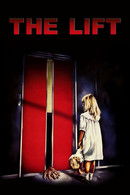
While radio drama was a significant part of his legacy, Guus Hoes also made contributions to television. For instance, he appeared in "Het Dagboek van Anne Frank," portraying the character of Meneer van Daan, a role that required both gravitas and vulnerability. He also featured in "Oma Fladder" across eight episodes, including "Een dagje aan het strand," demonstrating his ability to engage with diverse television formats and appeal to different audiences. These TV roles, alongside his work in films like the horror feature The Lift (1983), Rigor Mortis (1981), and VD (1972), underscore his remarkable versatility and commitment to the broader spectrum of Dutch media. Whether on a physical stage, in front of a camera, or behind a microphone, Guus Hoes's acting prowess consistently shone through.
A Legacy Remembered: The Impact of Guus Hoes
Guus Hoes's career, though cut short by his unexpected death on July 4, 1986, in Westerschouwen at the age of 41, left an undeniable mark on the Dutch performing arts. His passing at such a young age meant the theatrical world lost a talent who still had so much to offer, leaving many to wonder about the further heights his career might have reached.
Remembering a Versatile Talent
Despite the brevity of his life, Guus Hoes managed to build a comprehensive artistic portfolio. From his foundational years at the Haagse Comedie, where he balanced acting with assistant directing, to his subsequent engagements with Zuidelijk Toneel Globe and others, he demonstrated a consistent dedication to the craft of theater. His extensive work in radio drama, where his voice alone could transport audiences into complex narratives, further highlighted his exceptional range and skill. He proved that an actor's impact isn't solely measured by their time on screen or stage, but by the depth and breadth of their contribution across all forms of storytelling.
Influence on Dutch Acting
Guus Hoes's legacy extends beyond his individual performances. As part of a prominent acting family, he contributed to a tradition of excellence that continues to influence Dutch performing arts. His versatility – moving seamlessly between intense stage productions, evocative radio dramas, and cinematic roles – serves as an example for aspiring actors. He embodied the ideal of a professional actor who embraces every medium, understanding that each presents unique challenges and opportunities for artistic expression. His work reminds us of the profound power of the human voice in storytelling, especially in an age increasingly dominated by visual media. Guus Hoes truly was a prolific Dutch actor whose impactful career resonated far and wide, and whose contributions continue to be appreciated by those who delve into the rich history of Dutch performing arts.
In conclusion, Guus Hoes was more than just an actor; he was a dynamic force within the Dutch cultural landscape. His deep roots in theater provided the discipline and passion that fueled his diverse career, while his prolific work in radio drama solidified his place as a master of the unseen stage. His dedication to craft, versatility across mediums, and the lasting impression he made despite his untimely passing ensure that his name remains a significant one in the annals of Dutch performance history.